Commercial Waste Removal in Kensington
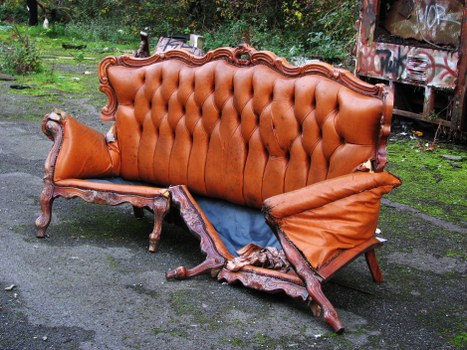
Commercial waste removal in Kensington needs a service that can handle everyday business rubbish with care, consistency and sensible planning. Our work focuses on the collection and disposal of commercial waste for offices, shops, hospitality venues, landlords and other premises that need a tidy, compliant way to move unwanted materials off site. From routine mixed waste to heavier clearances, we help keep workspaces orderly without turning the process into a disruption.
We can support different kinds of commercial loads, including general rubbish, light bulky items and office contents that are ready to leave the premises. Where the job needs it, the approach can be shaped around access, lift use, loading points and the amount of sorting already completed. If you are comparing options, use the sections below to see how the service is typically organised and what sort of work it is best suited to.
For a straightforward start, look through the service pages below and then request a quotation when you are ready. If you already know the main type of waste, that makes it easier to match the right collection method to the work in hand.
Commercial collections for offices, shops and shared premises
Business waste is not one-size-fits-all. An office may need bagged paper, packaging and old furniture taken away, while a shop or customer-facing site might have display materials, broken stock or back-of-house rubbish that has built up over time. Our commercial waste removal service is designed to deal with those practical differences rather than forcing every job into the same pattern. That helps keep collections orderly and reduces the chance of waste being left behind because it was not grouped correctly.
For regular commercial clearances, planning usually starts with the type of waste and the easiest way to move it from the building. A tidy load is generally simpler to deal with than mixed waste spread through several rooms, so it can help to separate documents, furniture, packaging and loose rubbish before the collection. If you want to discuss a larger office clearance or a smaller recurring collection, send the details in one go and keep the description clear. The more precise the note, the easier it is to judge the work.
Useful items for a commercial collection enquiry can include:
- the type of business premises
- what kind of waste needs removing
- whether the waste is bagged, boxed or loose
- any access limits, such as narrow stairways or loading restrictions
- the preferred timing for the clearance
Office clearance and internal strip-out waste
Office clearance often involves more than simple rubbish removal. Desks, chairs, filing units, screens, small appliances and packaging can all appear together, and each item may need handling in a different way. Our office clearance work is aimed at getting those items out of the workplace efficiently while keeping the process practical for active buildings, empty suites and spaces between tenants. Where the load is mainly furniture and equipment, the job can often be organised to minimise unnecessary handling.
Office waste also includes the less obvious material that builds up during reorganisations and moves: cables, monitors, storage boxes and mixed non-hazardous debris. If confidential paper or records are involved, they should be kept separate from ordinary waste, and specialist shredding may be the better route. The key point is to identify the material early so the collection can be arranged properly, rather than discovering a harder category of waste on the day.
When you are preparing an office clearance request, it is helpful to note whether items are on one floor or spread across several rooms, and whether any lifts or parking restrictions apply. A concise list of what is staying and what is going can save time and avoid confusion. Clear instructions are often more useful than a long explanation, especially when the clearance is tied to a move, refit or end-of-lease tidy-up.
Furniture disposal and bulky item removal
Many commercial premises need furniture disposal as part of a wider waste clear-out, but sometimes the job is just about taking away bulky pieces that no longer fit the space. That might include office desks, filing cabinets, reception seating, meeting tables or worn storage units. Our furniture disposal service is set up to move those items out of the property and into the correct disposal or recovery route, depending on the material and condition of the load.
Not every bulky item is handled in the same way. Mixed furniture loads may contain wood, metal, upholstery and fixed fittings, and that can affect how the waste is loaded and sorted. When you are looking at what to remove, it can help to think in terms of items by type rather than simply counting the total number of pieces. That gives a more accurate picture of handling needs, particularly if stair access, narrow corridors or tight loading areas are involved.
If the waste includes both furniture and loose rubbish, it is usually worth describing them together so the collection can be planned as one job instead of several separate ones. That makes it easier to estimate the labour involved and the space needed in the vehicle. Keep the list practical, and include any fixed pieces that need dismantling only if that is necessary for access or removal.
Recycling-led waste handling and responsible sorting
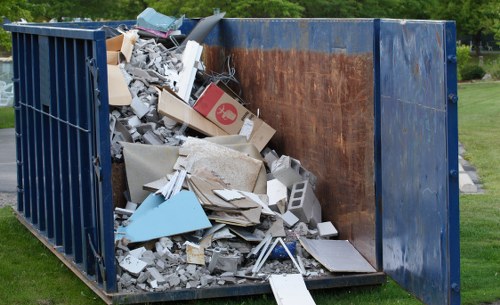
Commercial waste removal does not stop at lifting items away. Sorting, separation and routing matter because different materials follow different disposal paths. Paper, cardboard, metal, furniture, electrical items and mixed rubbish do not all belong in the same category, and the way they are grouped can affect how efficiently they are handled after collection. Our approach is focused on taking the waste away in a way that supports sensible material recovery where appropriate.
In practical terms, this means the condition of the waste can matter as much as the type. Dry cardboard stacked separately is easier to manage than cardboard mixed with wet refuse, and loose metal items are easier to process than the same items buried inside general waste. A commercial customer does not need to sort every last item perfectly, but a little preparation can make the collection cleaner and simpler. That is especially true where a business wants a tidy reset after an office move or refurbishment.
We can also discuss collections that involve a blend of recoverable and non-recoverable materials. In those cases, the best outcome usually comes from identifying the main waste streams first and then grouping the load sensibly. Do not wait for the pile to become unmanageable; it is often easier to arrange disposal when the categories are still visible and separate.
Pricing factors and what shapes a quotation
 Quotations for commercial waste removal are usually shaped by the size of the load, the kind of material being removed and the effort needed to move it safely from the site. A small, straightforward clearance will naturally differ from a larger mixed load that includes bulky items, awkward access or a need for additional sorting. The aim is not to make the process complicated, but to identify the main variables early so the price reflects the actual work involved.
Useful factors often include whether the waste is already gathered in one area, whether the building has lift access, and whether the collection needs to fit around trading hours or shared premises. If the job involves heavy furniture or multiple categories of waste, that may also affect the planning. When you ask for a quotation, the best approach is to describe the load plainly and avoid guessing at details you are not sure about. A simple and accurate description is usually better than an overlong message.
If the waste includes items that may need special handling, mention them specifically rather than assuming they can be added to a standard collection. That helps avoid confusion later and gives a clearer basis for arranging the work. Get in touch when you have the main facts ready, and we can turn those details into a practical quote request.
Hazardous items, appliances and specialist checks
Some commercial waste needs extra caution. Hazardous materials, certain chemicals, contaminated items and some electrical waste should be identified before collection because they may require a separate route or additional checks. Our hazardous waste disposal service is relevant where the load goes beyond ordinary office or shop rubbish, and it is important not to mix those materials into a general commercial clearance by default.
Large appliances and electrical items also deserve attention because they are not always treated like standard bulky waste. Fridges, freezers and other equipment may need different handling from ordinary furniture or packaging. If your commercial premises are disposing of appliances alongside regular waste, it is better to list them clearly. That allows the collection to be organised around the full load instead of discovering unsuitable items at the point of removal. The same care applies to loads containing sealed containers, liquids or anything with uncertain contents.
In many cases, the simplest approach is to separate ordinary commercial rubbish from anything unusual before the collection day. That does not mean the customer needs to complete specialist sorting; it means the main categories should be visible. If you are unsure whether an item belongs in a standard clearance, mention it in the enquiry and ask for the right disposal route rather than leaving it unmentioned.
About Kensington
Kensington is a district in west London with a long-established urban character shaped by aristocratic estates, museum quarter development and dense residential streets. Much of its identity is tied to the nineteenth-century growth of the capital, when former village land was transformed into terraces, mansion blocks and grander streets laid out around garden squares and major routes. The area includes well-known landmarks such as Kensington Palace, the open spaces of Kensington Gardens and the museum cluster around Exhibition Road, where the Natural History Museum, the Victoria and Albert Museum and the Science Museum stand within a short distance of one another. That concentration of institutions gives the district a strong cultural profile as well as an architectural one. The street pattern includes elegant crescents, mews, white stucco terraces and later apartment buildings, reflecting different phases of London housing. Kensington High Street remains one of the key commercial corridors, while quieter streets nearby show how the district combines retail, civic and residential uses. The Royal Borough of Kensington and Chelsea administers the wider area, but Kensington itself is commonly understood as the central neighbourhood around the palace, gardens and museum quarter rather than the whole borough. The district’s public spaces, transport links and historic buildings make it one of the best-known parts of west London, and its layered development can still be read in the mix of architecture, institutions and open ground that define it today.
House clearances and larger internal clear-outs
Although the focus here is commercial waste removal, the same practical collection methods can also support house clearance and broader internal clear-outs where mixed items need to be removed in a careful order. This is useful for landlords, property managers and businesses working from converted buildings where domestic-style contents, office pieces and stored materials may be mixed together. The important point is to define the job accurately so the work is handled as the right type of clearance.
For larger clear-outs, the main decisions usually concern what stays on site, what can be removed together and what needs special attention. If furniture, boxes, archived paperwork and miscellaneous waste are all present, it helps to note where each group is located and whether any items are fragile or fixed in place. The more clearly the load is described, the easier it becomes to organise a sensible collection sequence. That is especially useful in buildings with shared access or limited loading space.
When multiple room types are involved, it is often best to identify the load by area first and then by waste type. Bedroom, storage and office contents may all appear in one clearance, but they do not always need the same handling. A practical description keeps the quote process focused on the real work rather than on guesswork.
How to prepare a commercial collection
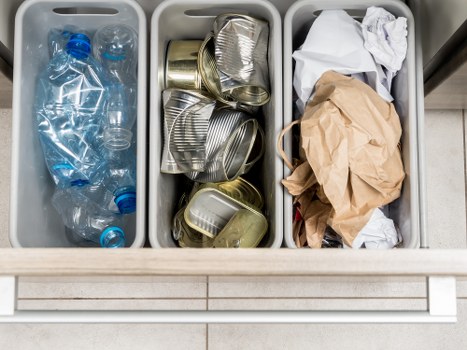
Good preparation can make commercial waste removal far smoother. If possible, group the waste in one accessible place and separate items that definitely need different handling, such as ordinary rubbish, furniture, electricals and any confidential material. You do not need to complete a full sorting exercise before asking for a quotation, but the clearer the layout, the easier it is to arrange the work efficiently. For busy premises, it also helps to note any time restrictions that affect loading or access.
Two practical steps usually make the biggest difference. First, list the main item types in plain terms so there is no confusion about the size or nature of the job. Second, mention any access issues that could slow the collection down, such as shared corridors, controlled entry points or stairs that reduce carrying speed. That information lets the collection be planned around the building rather than forcing a rushed adjustment on the day. If the job is urgent or part of a move, it is worth saying so clearly.
When you are ready, keep the enquiry short, accurate and specific. Request a quotation with the key details, and include anything unusual that might affect disposal or handling. A clear request is the fastest route to a useful response.
Business waste removal for ongoing needs
Some premises need a one-off clearance, while others need a dependable way to manage waste as it builds up over time. Business waste removal suits offices, hospitality settings, retail units and managed properties where the waste pattern is regular enough to benefit from an organised collection plan. The aim is to keep rubbish moving out at a sensible pace so it does not interfere with day-to-day work or customer-facing areas.
Ongoing commercial waste also benefits from clear boundaries about what is included. A business may want help with general rubbish, packaging and bulky unwanted items, but keep confidential paper, hazardous materials or specialist recyclables separate. That distinction matters because a well-defined scope keeps the service practical and avoids assumptions about the contents of every load. If your premises generate different types of waste at different times of year, it is worth describing those changes in the enquiry.
The same applies to premises that occasionally need a larger purge alongside routine removals. Plan the collection around the waste stream, not just the date, and the work is easier to organise. If you need to compare service options, use the page sections above and then make contact once you have the main points ready.